Chris Albertini Automotive
Tyre & Alignment Service in Lismore
Award-winning Lismore mechanics providing honest advice, clear diagnostics and complete vehicle care backed by over 30 years' experience.
Smoother Ride, Even Wear
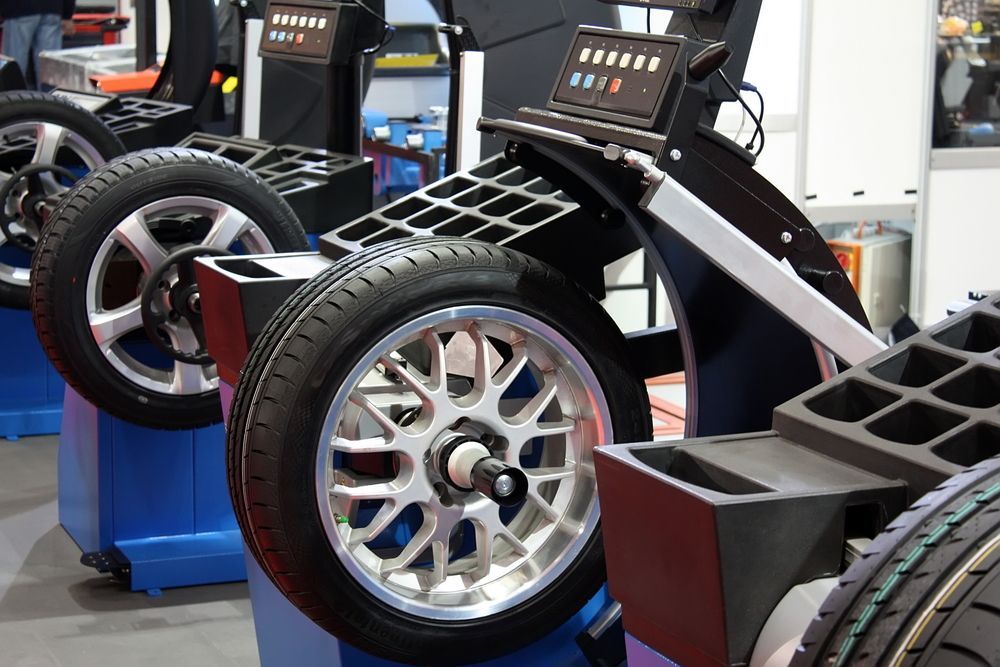
Wheel Balance
Keeping your tyres correctly balanced prevents vibration, protects suspension components and ensures a smoother, more controlled drive. Even small weight differences can cause shaking through the steering wheel or uneven tyre wear over time. Using precision computer balancing equipment, technicians measure and correct any imbalance so weight is distributed evenly across all four tyres.
Balanced tyres reduce strain on bearings, steering and suspension, extending the life of critical components while improving overall ride comfort. Regular wheel balancing keeps your vehicle stable at all speeds, enhances safety and ensures every kilometre of tyre life is used efficiently.
Contact Us
Contact Us
Thank you for contacting Chris Albertini Automotive.
We will get back to you as soon as possible.
Please try again later.
Need Help?
Frequently Asked Questions
How does wheel alignment affect modern driver assist systems?
Wheel alignment plays an important role in how systems like lane assist, adaptive cruise control and stability control behave. When wheels are out of specification, these systems can receive inaccurate data and respond inconsistently. This may feel like steering resistance, delayed corrections or unnecessary alerts. Correct alignment helps ensure these technologies work as intended, especially on newer vehicles.
Why can a wheel balance issue feel worse at certain speeds?
Wheel balancing problems often become noticeable only within specific speed ranges, usually between 80 and 110 km/h. At these speeds, uneven weight distribution causes vibrations that may not be present at lower speeds. These vibrations can be felt through the steering wheel, seat or floor and may worsen over time. Left unaddressed, imbalance can accelerate suspension and tyre wear.
What should be checked before fitting new tyres to a vehicle?
Before tyres are fitted, factors like wheel condition, valve integrity and correct tyre specifications need to be considered. Load rating, speed rating and overall diameter must suit the vehicle and its intended use. Ignoring these details can affect braking, handling and compliance with road regulations. Proper checks help ensure the tyres perform safely from day one.
prolong tyre life
Wheel Alignment
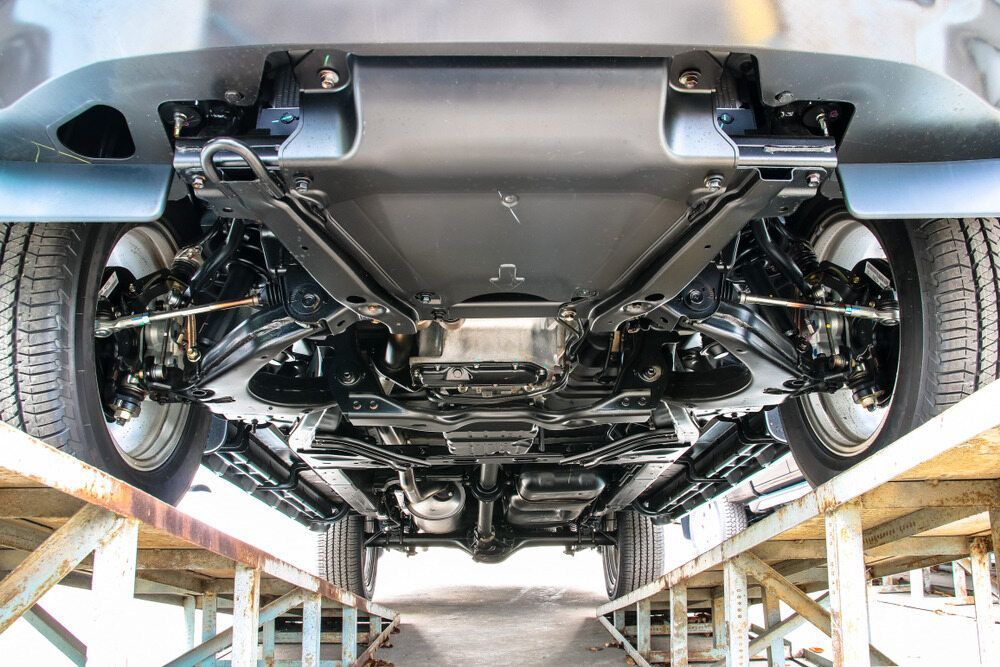
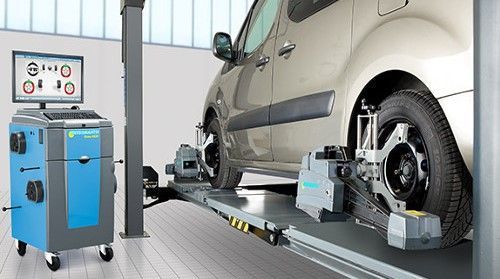
Precise wheel alignment is essential for safety, handling and tyre longevity. Using advanced electronic four-head alignment technology and computerised wheel balancing, technicians adjust camber, caster and toe angles to match exact manufacturer specifications. Misalignment can occur from hitting kerbs, potholes or road debris, leading to uneven tread wear, steering pull or poor fuel economy.
Regular wheel alignments not only correct these issues but also improve stability, braking and ride comfort. If your steering wheel doesn’t return to centre or your car drifts on a straight road, it’s time for an inspection. Alignments are recommended twice a year or whenever new tyres are fitted. Proper alignment keeps your tyres in full contact with the road, ensuring your vehicle drives straighter, grips better and wears evenly for maximum lifespan.
Fitment That LAsts
Tyre Fitting Service
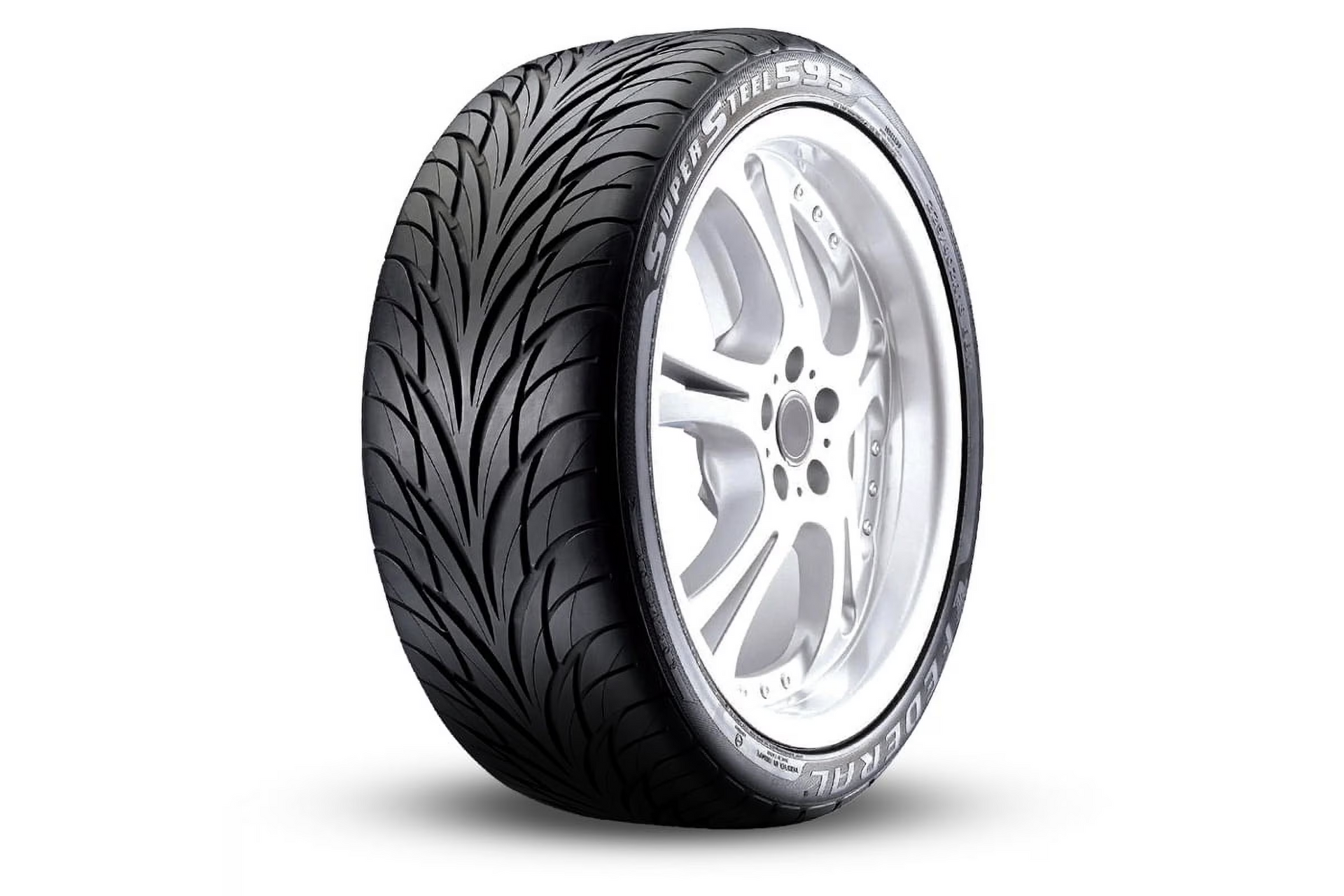
Correct tyre fitment is essential for safe handling, even wear and overall vehicle stability. Fitting the right tyres to the correct size, load rating and speed rating ensures they perform as intended under braking, cornering and everyday driving conditions.
Improperly fitted or incorrect tyres can cause vibration, noise, uneven wear and reduced grip. During tyre fitment, tyres are mounted, seated and balanced correctly to suit your vehicle and driving needs. Whether replacing worn tyres or fitting new ones, correct fitment helps maximise tyre life, fuel efficiency and on-road safety.